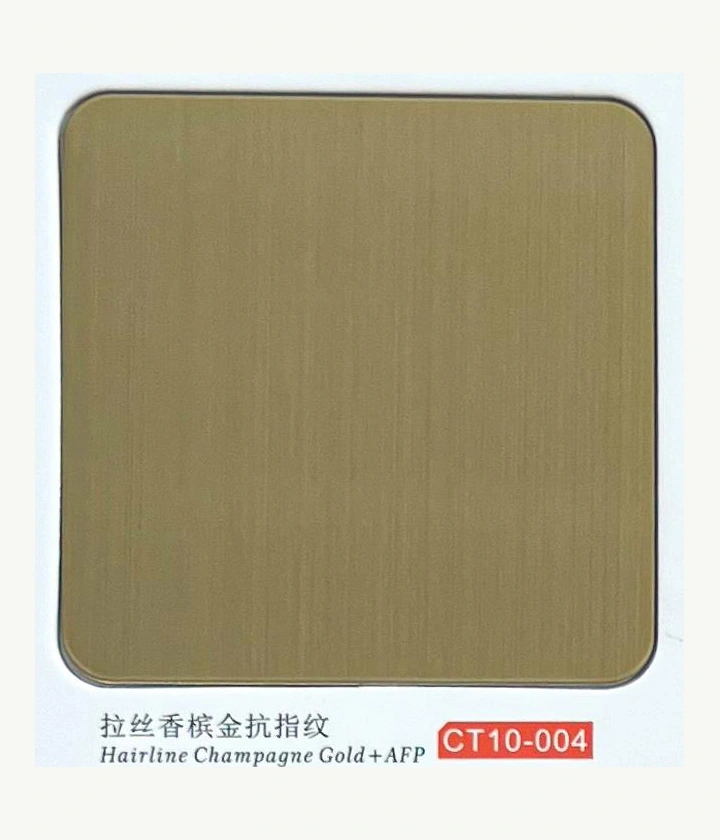
Ask the supplier to identify it
Record the film product or specification and the conditions for storage, fabrication and removal. Clarify whether it is intended for the proposed laser cutting, forming or transport operations. Similar-looking films may serve different purposes.
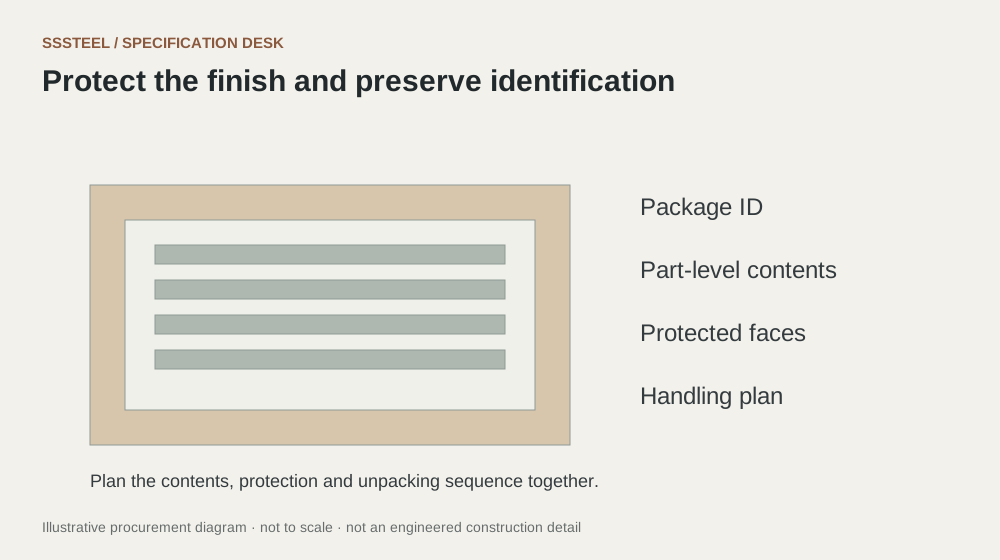
Plan removal around the work
Coordinate when the installer needs access to the surface and when surrounding work is complete. Follow the specified exposure and removal limits. If film tears or leaves residue, stop and request a compatible removal method for the underlying decorative finish.
Keep the surface identifiable
Ensure part IDs and grain arrows remain available after film is removed. Transfer essential information to the packing record or an approved label location. Complete the appearance inspection at the agreed stage, rather than leaving all finish checks until the component is inaccessible.
| Decision | Put this in writing |
|---|---|
| Film | Record supplied type and instructions. |
| Sequence | Plan fabrication, installation and removal. |
| Identity | Preserve part marks after peeling. |
Put the detail to work.
A shipment will remain stored before installation. Ask the supplier whether the actual film and storage conditions support that programme, and plan removal according to the instructions received. If the programme changes, revisit the decision. Do not infer an unlimited protection period from the fact that the film still looks intact. Keep the part identification available after the film is removed for inspection or use.
Before you enquire
- Request storage and exposure limits.
- Avoid unapproved solvents for residue.
- Inspect the face at the agreed release point.
About this procurement note
The checklists and buying example are original SSSTEEL editorial guidance. Project drawings, supplier documentation and the agreed order govern the actual supply. External references are not product endorsements or proof of SSSTEEL certification.