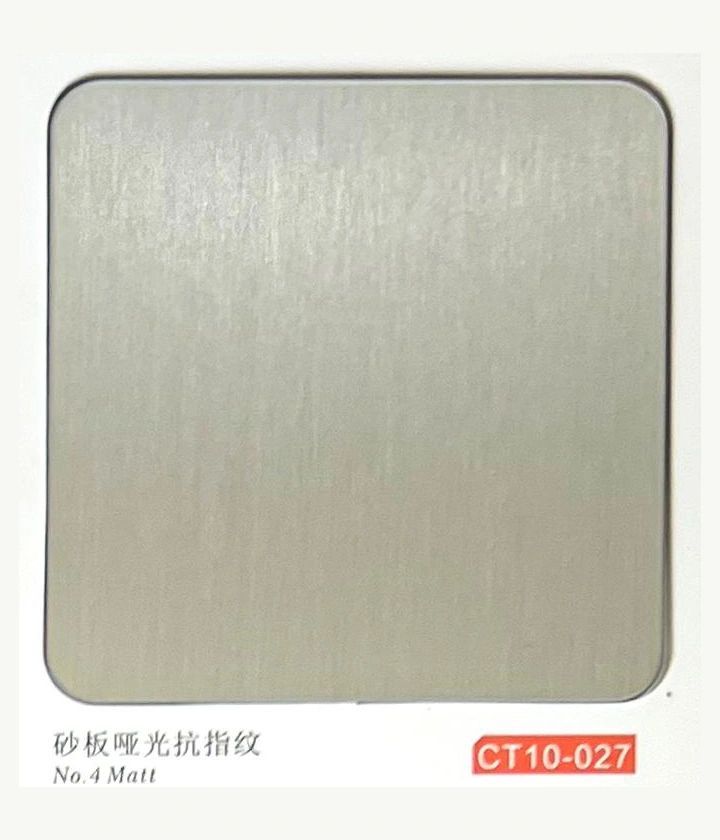
Understand the limitation
ASSDA explains that cold working can make austenitic stainless steel respond to a magnet. A formed edge may therefore behave differently from a relatively unworked area. Ferritic and other stainless families can also be magnetic without being defective.
Keep the finish protected
If a simple comparison is made, avoid dragging a magnet across an exposed decorative face. Record the test location and component condition. Do not reject a finished component solely because its bend attracts a magnet more strongly than the flat sample.
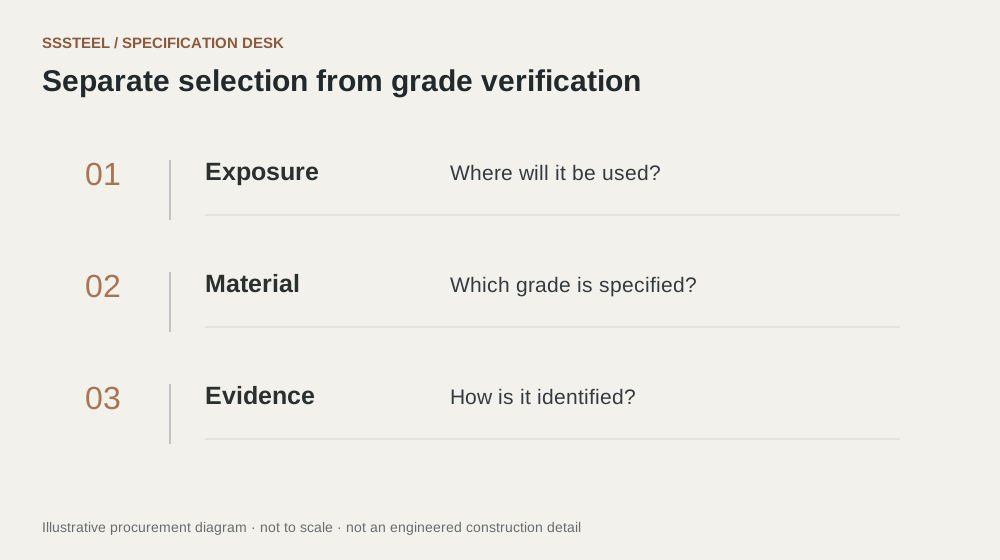
Choose evidence that answers the order
Check the supplier documentation and traceability first. Where independent confirmation is needed, agree a suitable analysis method with a testing specialist. The acceptance question should be whether the delivered material meets the specified grade, not whether it behaves like a household magnet demonstration.
| Decision | Put this in writing |
|---|---|
| Observation | Record where and how response was observed. |
| Documentation | Check grade and batch identity. |
| Confirmation | Use an appropriate agreed analysis if necessary. |
Put the detail to work.
A folded corner attracts a magnet more noticeably than the flat centre of the same component. Keep the part identified and ask for the material records before concluding that the grade is wrong. Forming history can affect the response. If the order requires independent confirmation, use an agreed suitable test. The observation is useful to record, but it should not replace evidence tied to the specified alloy.
Before you enquire
- Do not use magnetism as the sole acceptance test.
- Protect the decorative finish during checks.
- Keep results linked to identifiable material.
Technical references & editorial scope
- ASSDA — Magnetic effects of stainless steel ↗
Cold working can change the magnetic response of austenitic stainless steel.
The checklists and buying example are original SSSTEEL editorial guidance. Project drawings, supplier documentation and the agreed order govern the actual supply. External references are not product endorsements or proof of SSSTEEL certification.