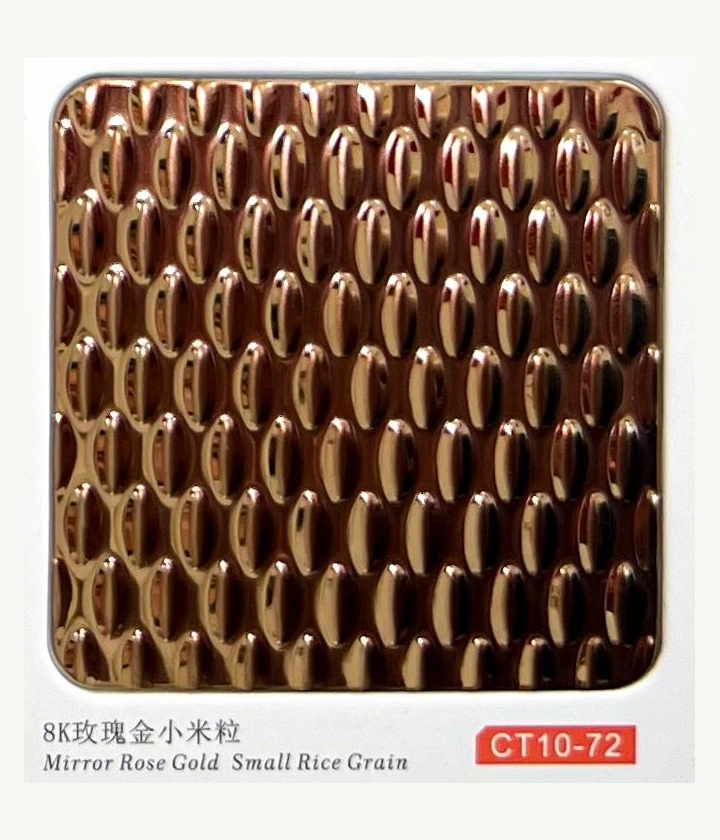
Identify the repeat
Ask for a physical sample and a dimensioned indication of the repeat pattern. A close-up photograph can make a fine texture look much larger. State whether the pattern must align at adjacent joints or whether each panel is visually independent.
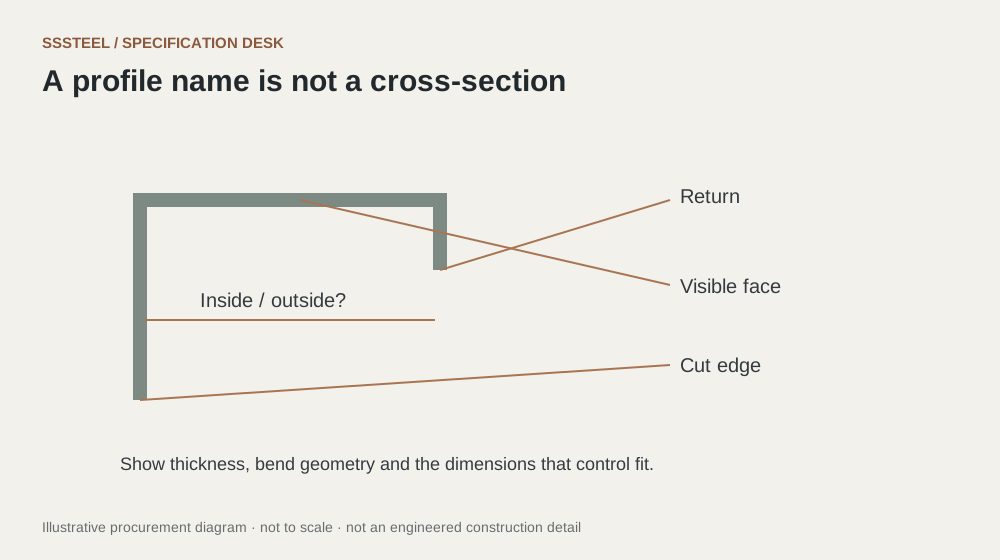
Confirm the finished edges
Review what happens where the pattern meets a fold, cutout or narrow trim. A sample from the middle of a sheet does not show the treatment of those details. Ask the fabricator to provide a corner or edge sample when it is visible in the finished component.
Separate thickness descriptions
Specify the metal thickness and ask the supplier how overall textured depth is measured. Do not compare a quoted metal gauge with an overall embossed depth as though they were the same dimension. Keep the measurement definition in the quotation.
| Decision | Put this in writing |
|---|---|
| Texture | Record code, scale and orientation. |
| Geometry | Review bends, borders and cutouts. |
| Measurement | Distinguish sheet thickness from overall relief. |
Put the detail to work.
A buyer selects an embossed pattern from a close-up image and later discovers the visible repeat is much finer than expected. Avoid that ambiguity by requesting a sample photographed beside a scale and viewed at the intended distance. For a repeated wall, also show where the pattern meets panel edges. Approve the scale and the joint relationship together before the sheet format and cutting order are fixed.
Before you enquire
- Approve a sample with a scale reference.
- Identify joint alignment requirements.
- Check how the visible edge will finish.
About this procurement note
The checklists and buying example are original SSSTEEL editorial guidance. Project drawings, supplier documentation and the agreed order govern the actual supply. External references are not product endorsements or proof of SSSTEEL certification.