Separate nominal size and tolerance
List nominal metal thickness and the agreed tolerance basis. If a drawing uses a gauge designation, ask the supplier to confirm the corresponding dimension in the quotation. Do not silently convert between systems and treat the result as an accepted requirement.
Identify what is being measured
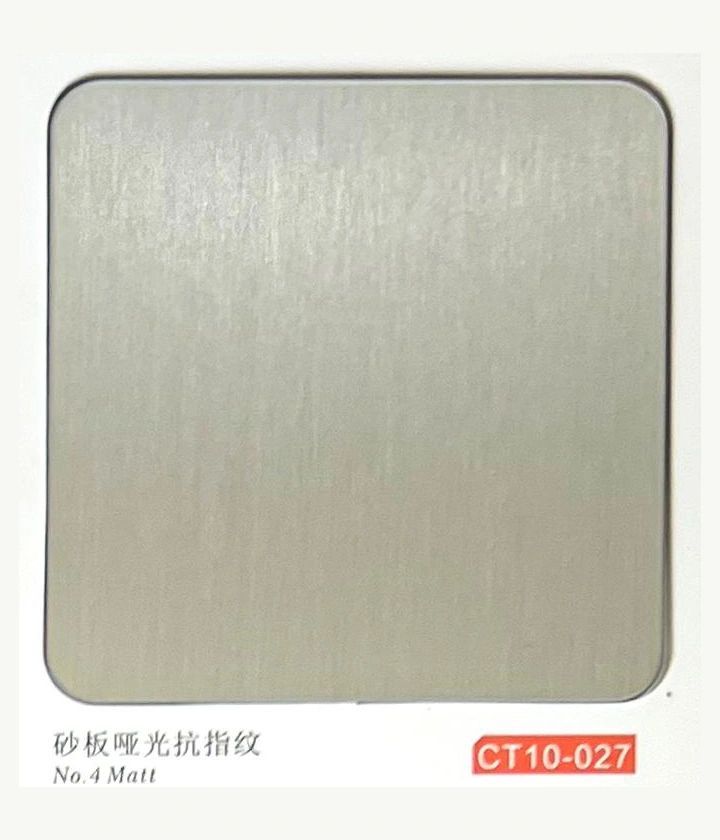
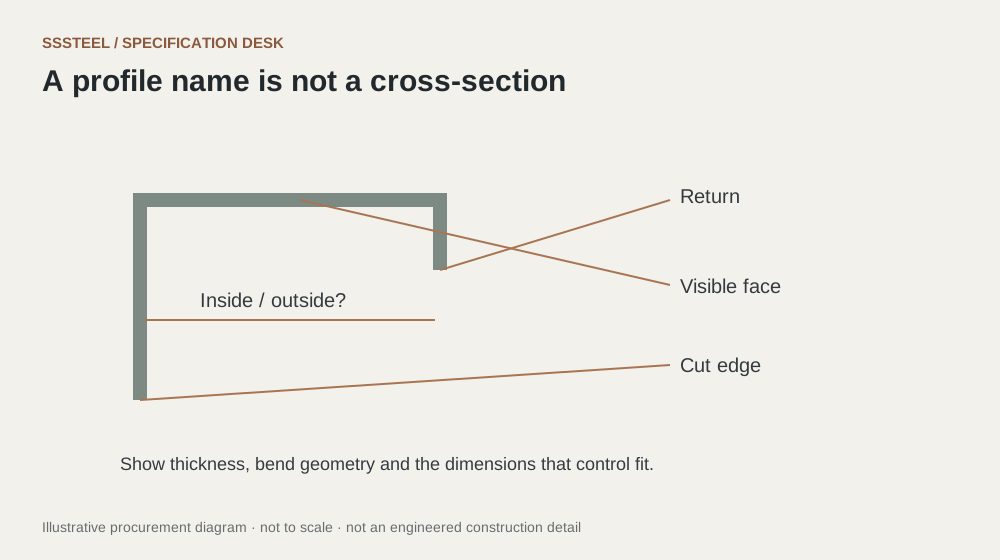
A decorated sheet, textured sheet and composite panel may have different relevant measurements. Specify whether the number refers to the base metal, overall relief or complete assembled panel. A honeycomb panel thickness is not the thickness of its stainless face.
Agree the inspection record
State the measurement locations and method with the supplier where this matters. Protective films and surface relief can affect how a reading is interpreted. Record actual readings against part or batch references, and keep acceptance tied to the agreed specification rather than a generic online table.
| Decision | Put this in writing |
|---|---|
| Nominal thickness | Use millimetres or clearly stated units. |
| Tolerance | Identify the agreed specification or order requirement. |
| Measured layer | Distinguish metal skin from complete panel. |
Put the detail to work.
One quotation lists a gauge and another lists millimetres. Ask both suppliers to state nominal base-metal thickness and the agreed tolerance basis in the same units. For a composite panel, request the face thickness and overall panel thickness separately. Only then compare the offers. Do not add film, relief or backing into a measurement and treat it as equivalent to the base-metal specification.
Before you enquire
- Resolve gauge conversions before ordering.
- Specify the layer being measured.
- Keep the measurement record with batch identification.
About this procurement note
The checklists and buying example are original SSSTEEL editorial guidance. Project drawings, supplier documentation and the agreed order govern the actual supply. External references are not product endorsements or proof of SSSTEEL certification.