Mark the edge function
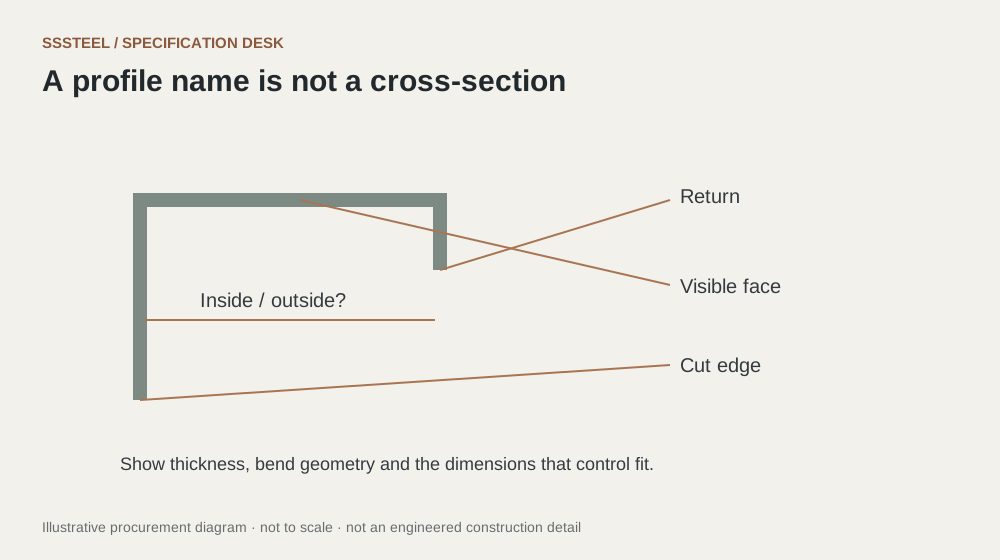
Use the drawing to identify exposed edges, mating edges and edges hidden behind trims. State where appearance matters and where the part interfaces with another component. This is more useful than a blanket instruction to make every edge good.
Ask for the proposed treatment
Discuss deburring, edge finishing and any corners that need a particular detail. If a decorative coating is involved, clarify whether cut edges remain visually different and how they will be concealed or finished. Do not invent an edge radius without design approval.
Inspect a representative detail
For a visible edge, ask for a small finished sample showing both the face and the cut. At delivery, keep edge checks linked to the part mark. Report sharp or damaged areas before handling them further, and maintain the protective packaging until installation.
| Decision | Put this in writing |
|---|---|
| Visibility | Mark exposed and concealed edges. |
| Interface | Show mating parts and clearances. |
| Finish | Agree the supplied edge condition. |
Put the detail to work.
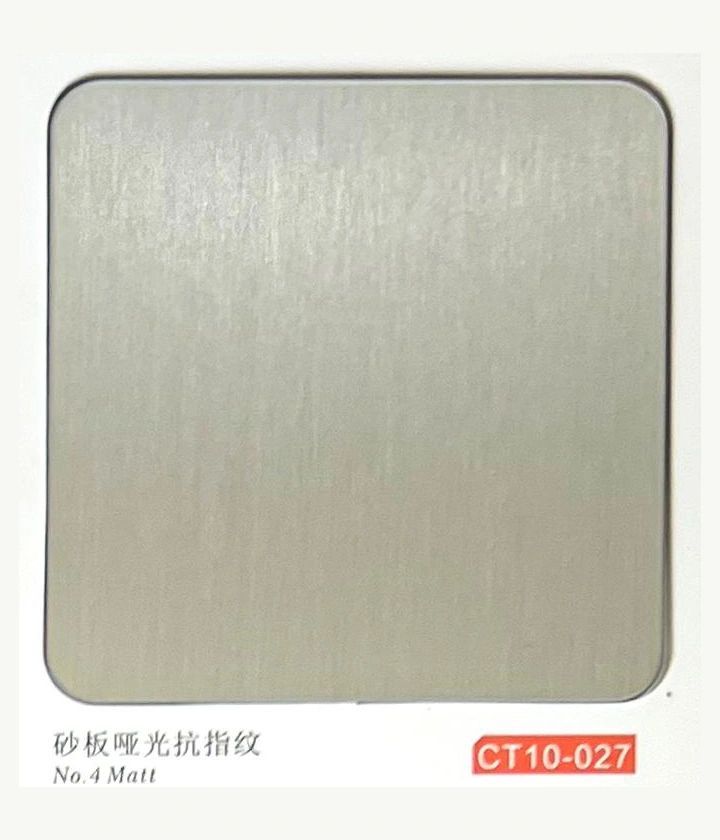
A sheet is supplied to finished size with an exposed perimeter intended to remain visible. Include that perimeter condition in the quotation instead of assuming it is covered by cutting. Review a sample edge and corner before release. If the design later adds a trim, update the detail explicitly; a concealed-edge acceptance should not be reused when the trim is subsequently removed from the scope.
Before you enquire
- Include corners and internal cutouts.
- Review colour on cut edges.
- Approve the edge detail before bulk cutting.
About this procurement note
The checklists and buying example are original SSSTEEL editorial guidance. Project drawings, supplier documentation and the agreed order govern the actual supply. External references are not product endorsements or proof of SSSTEEL certification.